
Dr Suzie Haryanti Husain
•
5 min read
Observation before recommendation
A field soil health assessment begins with the decision the client needs to make. PRESICA reviews the crop system, field history, symptoms, management pattern and spatial variability before deciding what evidence is relevant and where it should be collected.
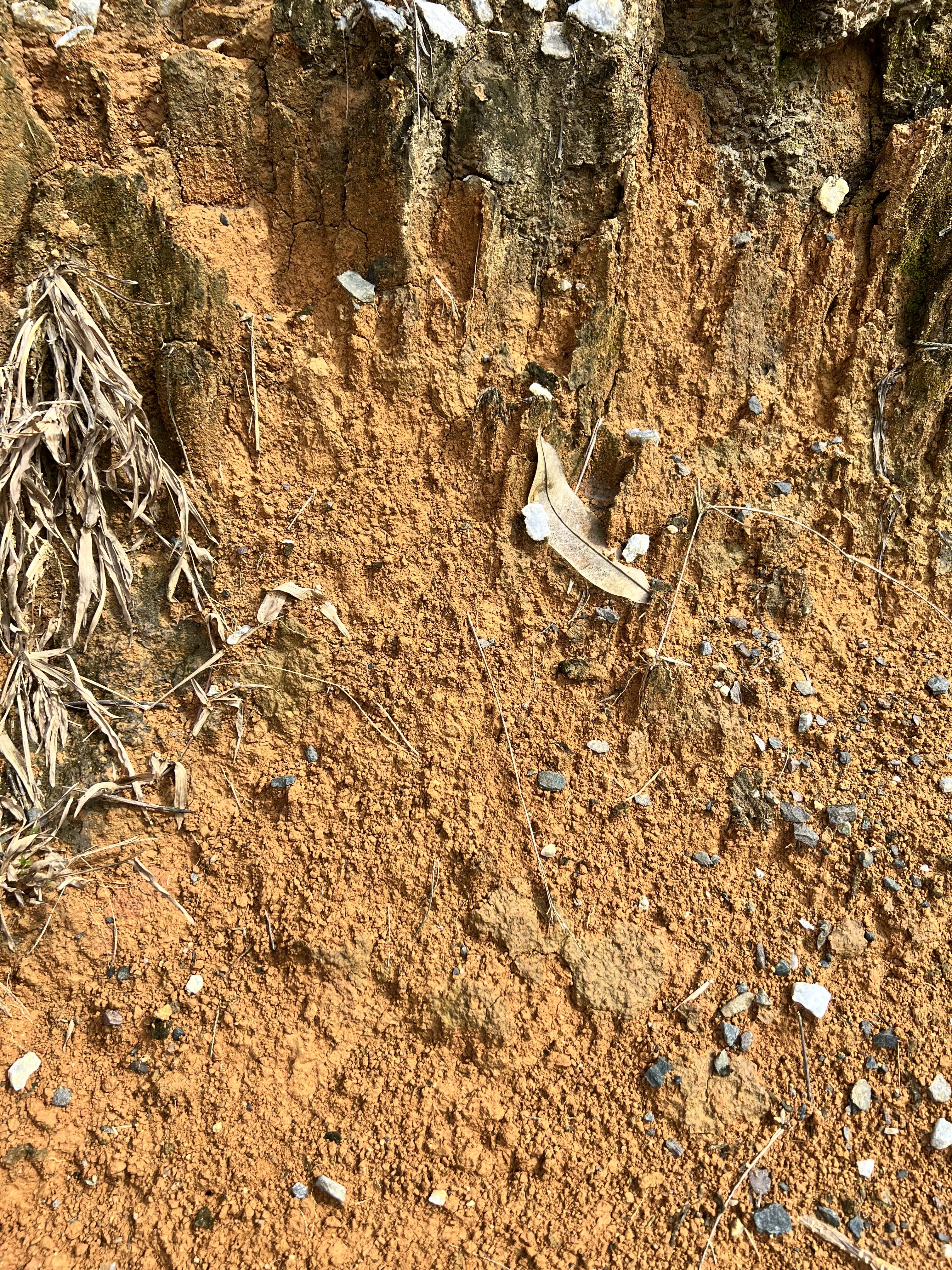
The assessment looks beyond the soil surface. Rooting depth and distribution, aggregation, compaction, drainage, moisture behaviour, acidity indicators and crop response are considered alongside laboratory results where they can clarify the diagnosis.
Evidence PRESICA connects
Useful evidence may include soil profile observations, root-zone condition, soil and plant analysis, water movement, visible crop symptoms, input history and operational constraints. The value comes from interpretation—understanding which findings are connected and which remain uncertain.
Decision-ready field reporting
The final output should help the client understand the priority constraint, the reasoning behind the recommendation, the actions that are realistic in the field, and the indicators that should be monitored. This is how field observations become traceable agricultural decisions.
LINKEDIN DISTRIBUTION
Read the original discussion and public responses on LinkedIn.
Open discussion ↗